


No items found.
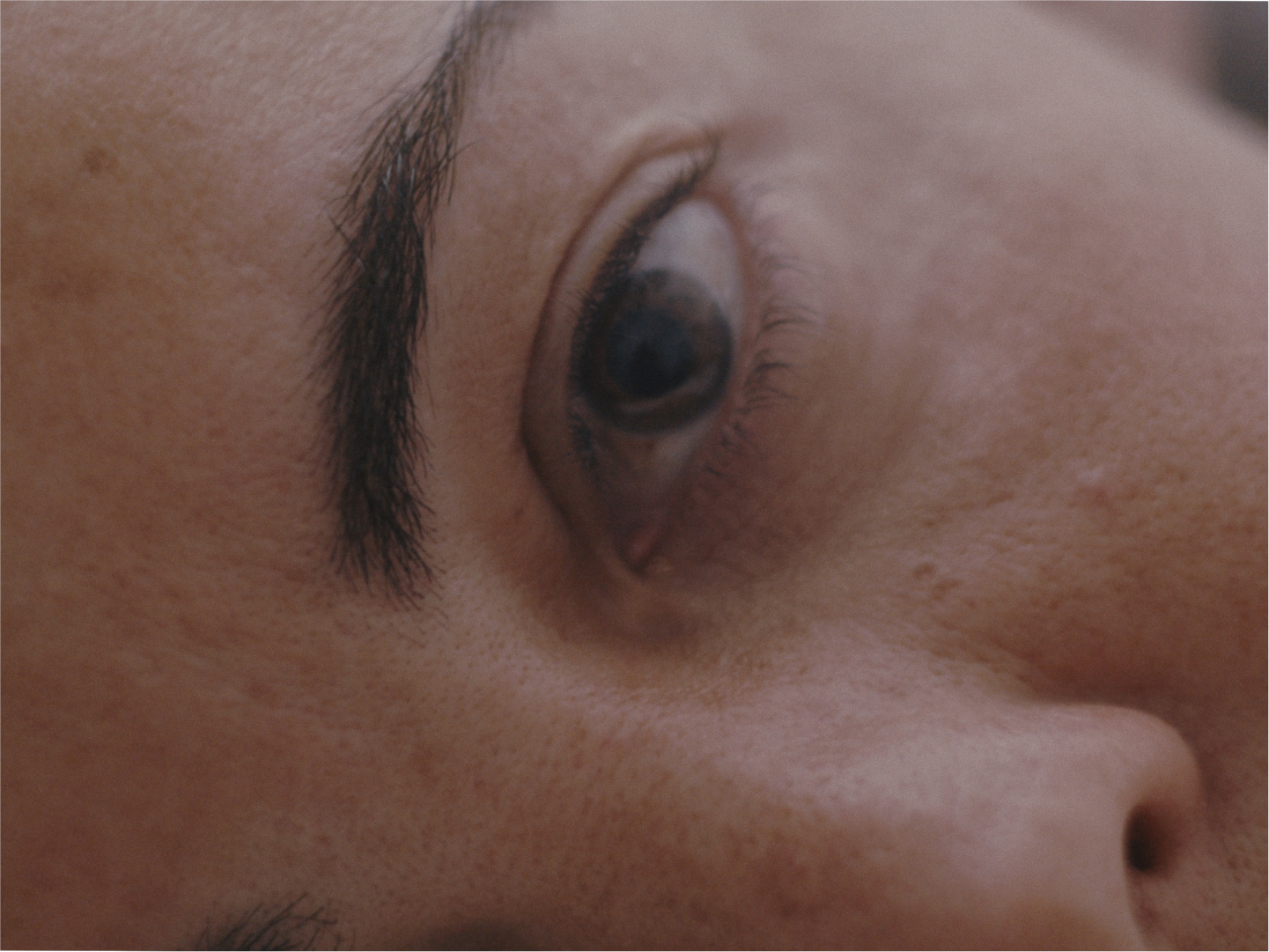
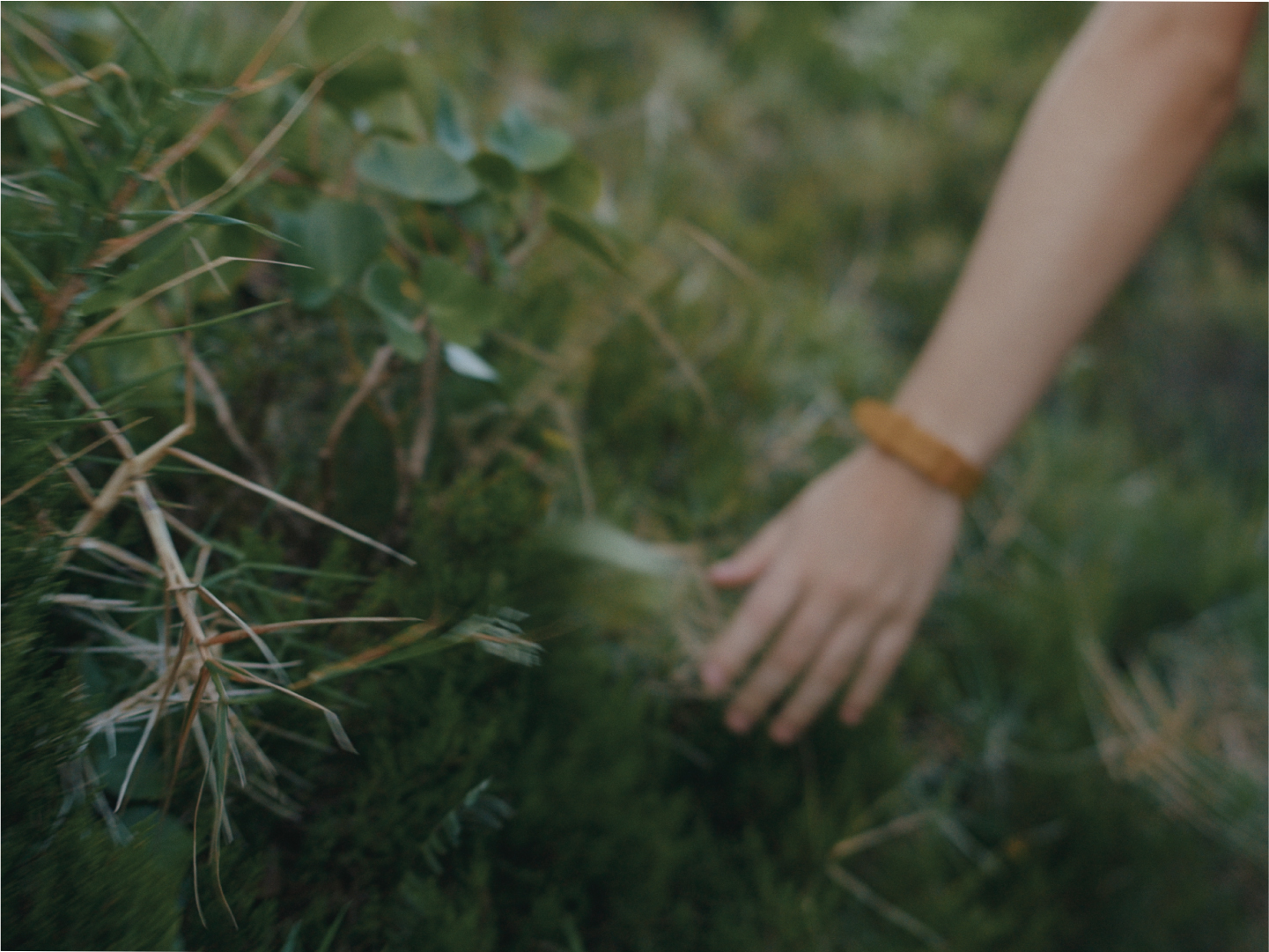
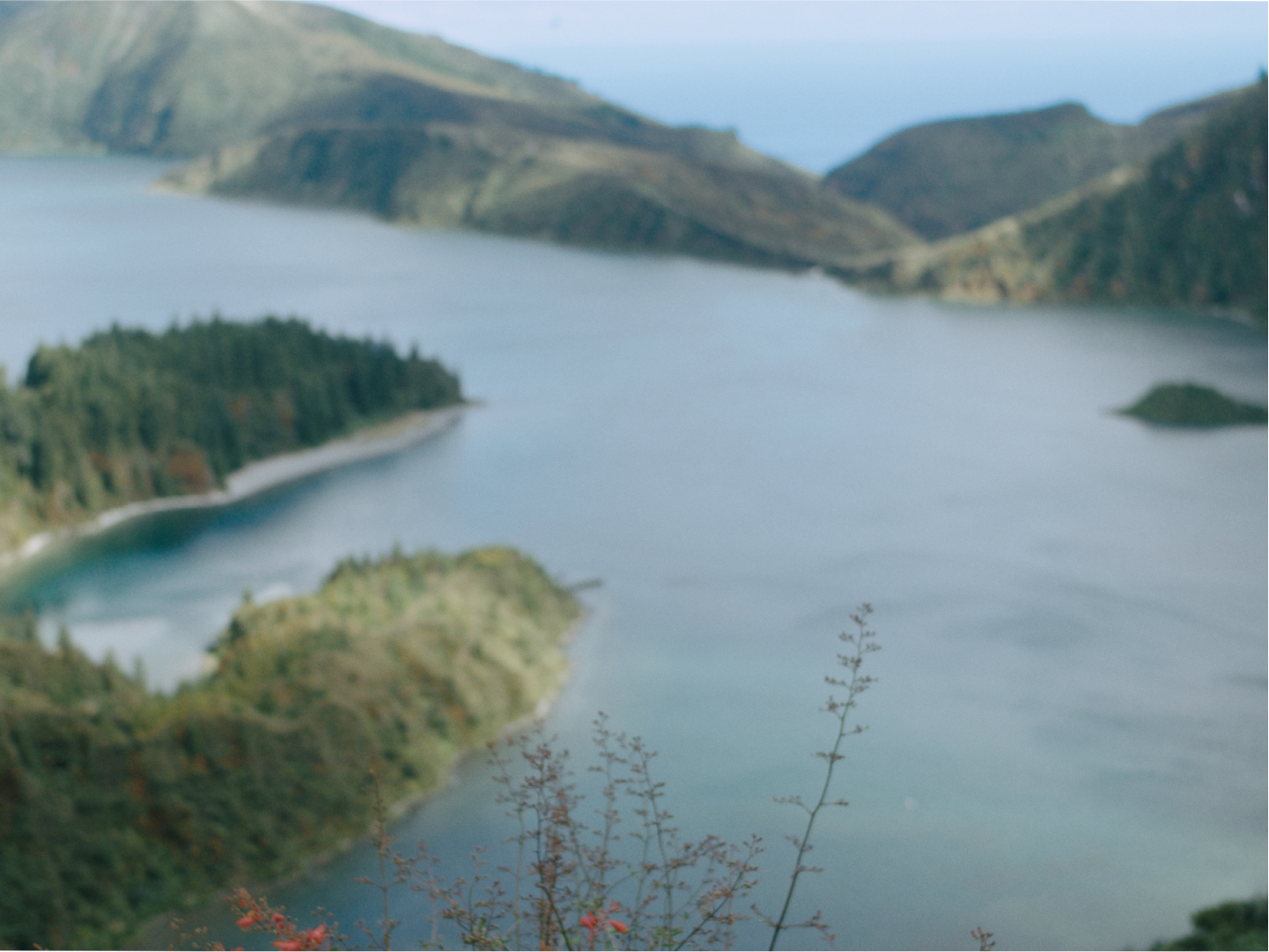
Three women embark on a sensorial journey to the womb of São Miguel Island, guided by the poems of Natália Correia, Portuguese poet, writer, and congresswoman, whom each woman embodies in a different way.
Natália Correia was one of the most important figures over the years in the Portuguese culture. She was born in the island of São Miguel (Azores), my hometown, and moved to the mainland to pursue her career as a congresswoman, a poet and a writer that fought for women’s rights and was always the opposite of what society expected of women. In a time where women were supposed to be polite, gracious, and meek, she was the complete opposite as her presence filled every room, regardless of its nature. In many ways, she reminds me of other strong women around me, who always fought for what they wanted, regardless of how society could see them, my mother and my grandmother.
When I was growing up, my grandmother took it upon herself to share with me her love for poetry. As we sat in the sun in my family’s old house, I remember her reciting the most beautiful poems, she has always had a way with words. Consequently, she made me fall in love with them as well. We made up tales and stories with great adventures in our small corner of the world in the middle of the Atlantic Ocean.
I remember hearing Natália’s poems, feeling her strength and thinking how someone so grand could have been born in the same place as me. She was who I wanted to be, as a shy and timid child, I wished to be as inconvenient as her and even now, although I don’t present myself to others like her, I attempt to embody her spirit in my own way, through film.
That was the reason why I decided to accept this quest and embark on the impossible journey of paying tribute to the great women that was Natália Correia in her 100th birthday this year. With this hybrid film I intend to bring Natália’s work to new generations and different countries to show that her work is timeless in many ways. This is a film about release and women’s relationships with their bodies throughout several stages of life, it is a bodily and sensorial exploration of her poetry that proposes to bring us on a journey through female systems in search of what Natália calls “Matrismo”. Thus, an expedition towards a new order that does not follow ancient systems already established by men, but instead, creates a space for new patterns that perhaps stem from our connection with the nature, with the landscape itself:
“Well, women must follow their own cultural tendencies, that are closely related to the paradigm of the Great Mother, that is the great reserve, the eternal reserve of Nature, precisely to impose them in the world or at least to introduce them in the rhythm of societies as a necessary exit to the serious issues that have been brought to us by masculine rationalities. It is in the paradigm of the Great Mother, that I see the cultural source of women, and that is the reason why I call it “matrism” and not “feminism.”
Natália Correia, in 'Entrevista (1983)'
Thus, this film looks for exactly this connection between the body, women, and the landscape of the Azores, Natália’s and my own “Mátria”.
MÁTRIA
Fiction
Portugal
2022
Colour
26’
Sound: 5.1
Format: 4:3
Original Language: Portuguese
Script And Directing: Catarina Gonçalves
Cinematography: Cláudia Moreno
Sound: Luís Garcia
Aditional Sound: Bernardo Bento
Assistant Director: Filipa Alves Fonseca
Production Director: Beatriz Silva Lavouras
Producers: António Neves Silva, Isaura Simas Pereira
Acting Director: António Neves Silva
Art Director And Costume: Inês Falcão
Editing: Eduardo Saraiva, Catarina Gonçalves
Sound Design: Gonçalo Nuno Bernardo, Bernardo Bento
Original Soundtrack: Gonçalo Nuno Bernardo
Sound Mixing: Bernardo Bento
Design: Sofia Melo Bento
Production: Cara Lavada
Financial Support: Governo Dos
Açores, Drj – Projeto Põe-Te
Em Cena, Drac, Flad E Junta De
Freguesia Da Fajã De Baixo
Sponsors: Glória Pátria E Pérola Da Ilha
With: Tatiana Santos, Sandra
Valério, Ugolina Batista & António
Braga, Aurélia Chaves, Nair Mota,
Eva Frias, Sara Massa, Daniela
Medeiros E Paulle Melle