No items found.
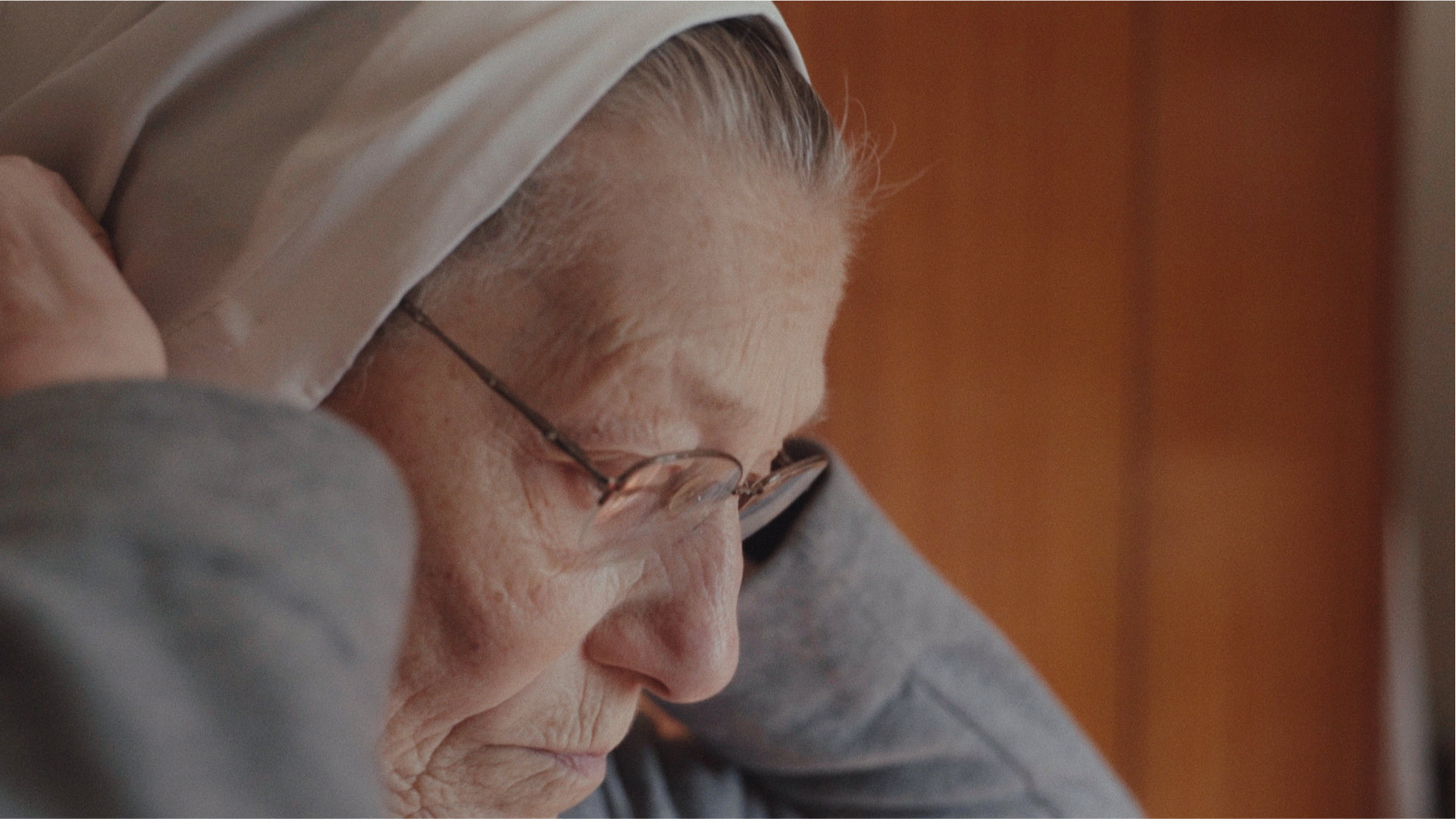
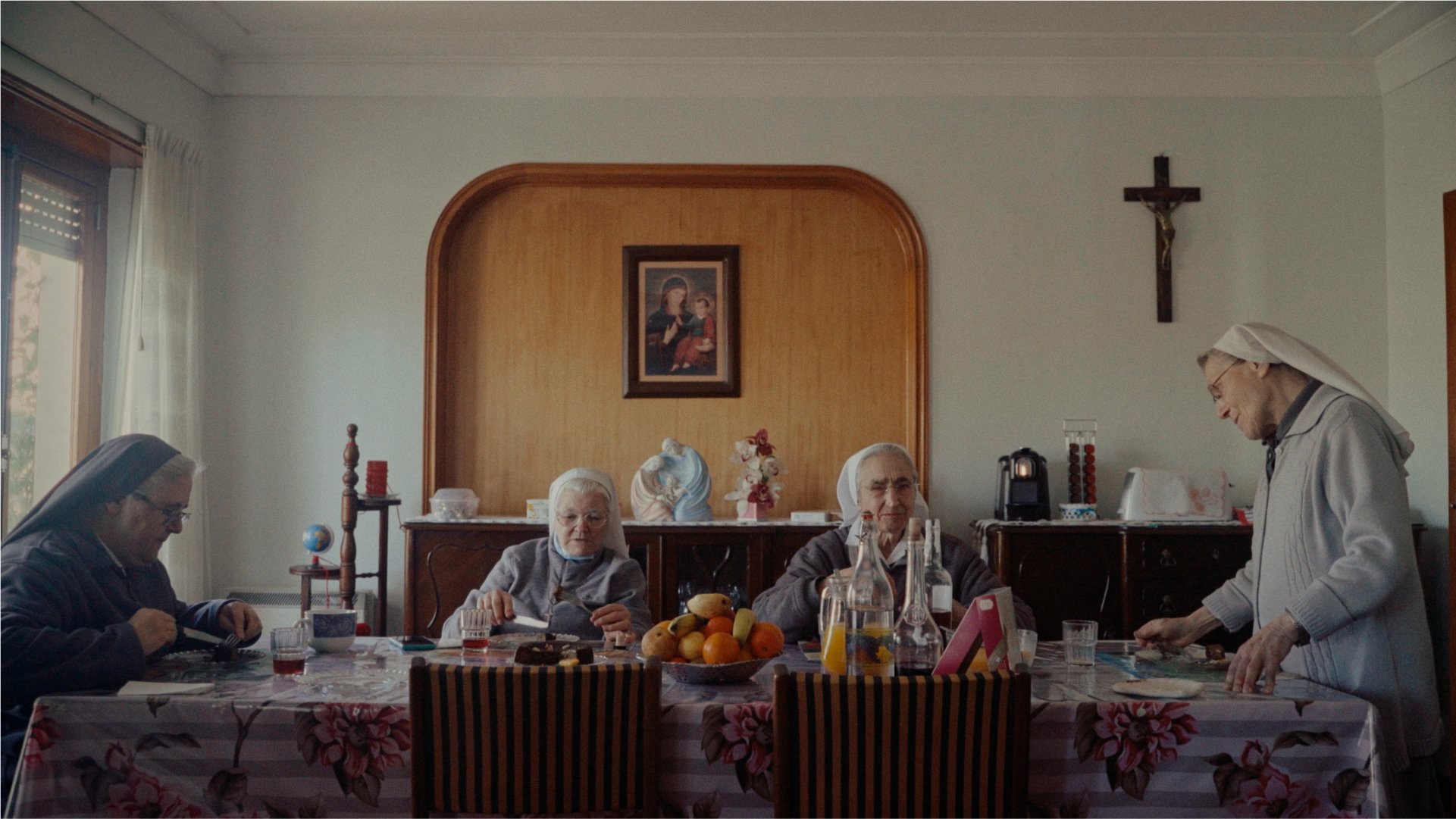
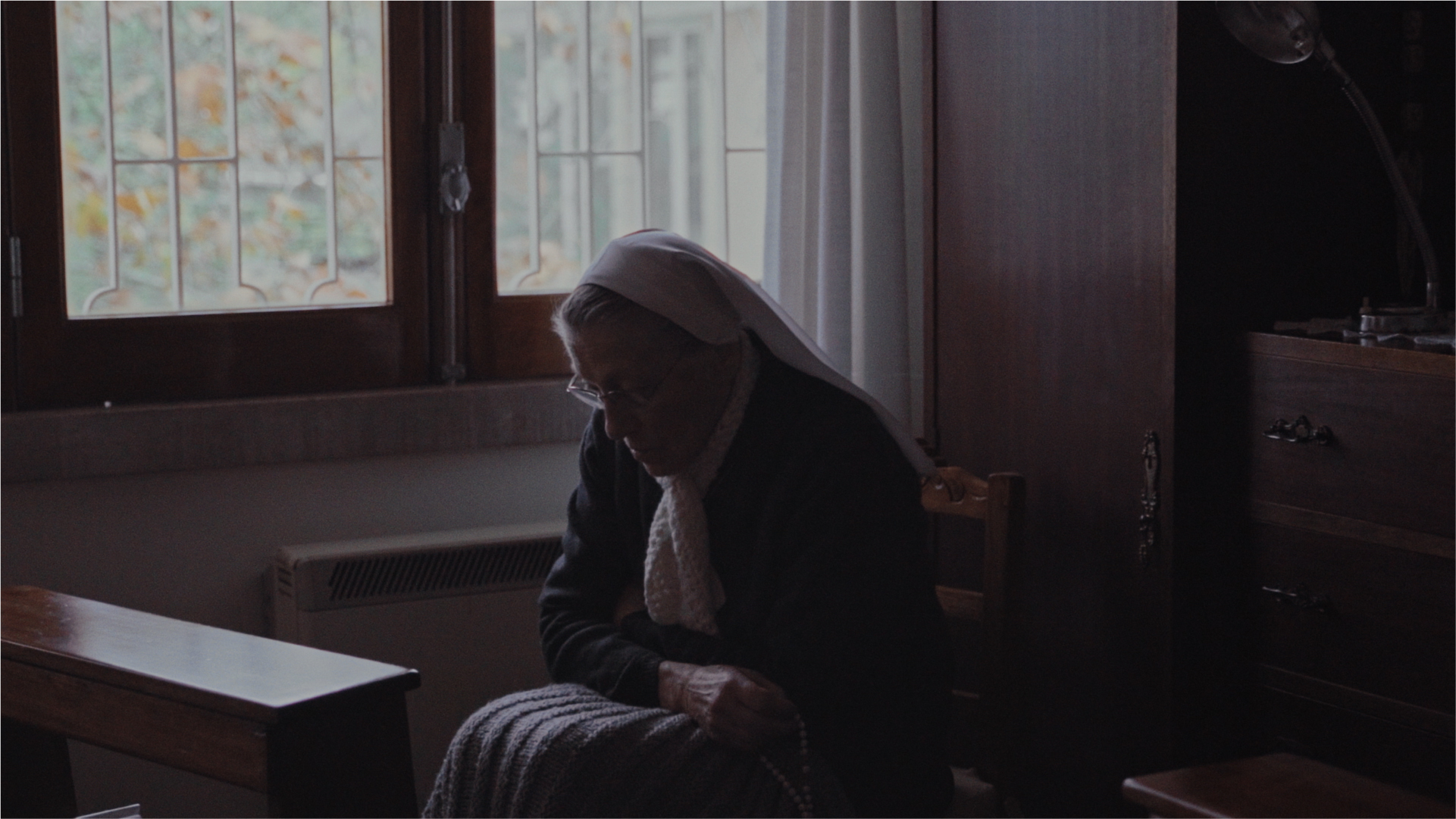
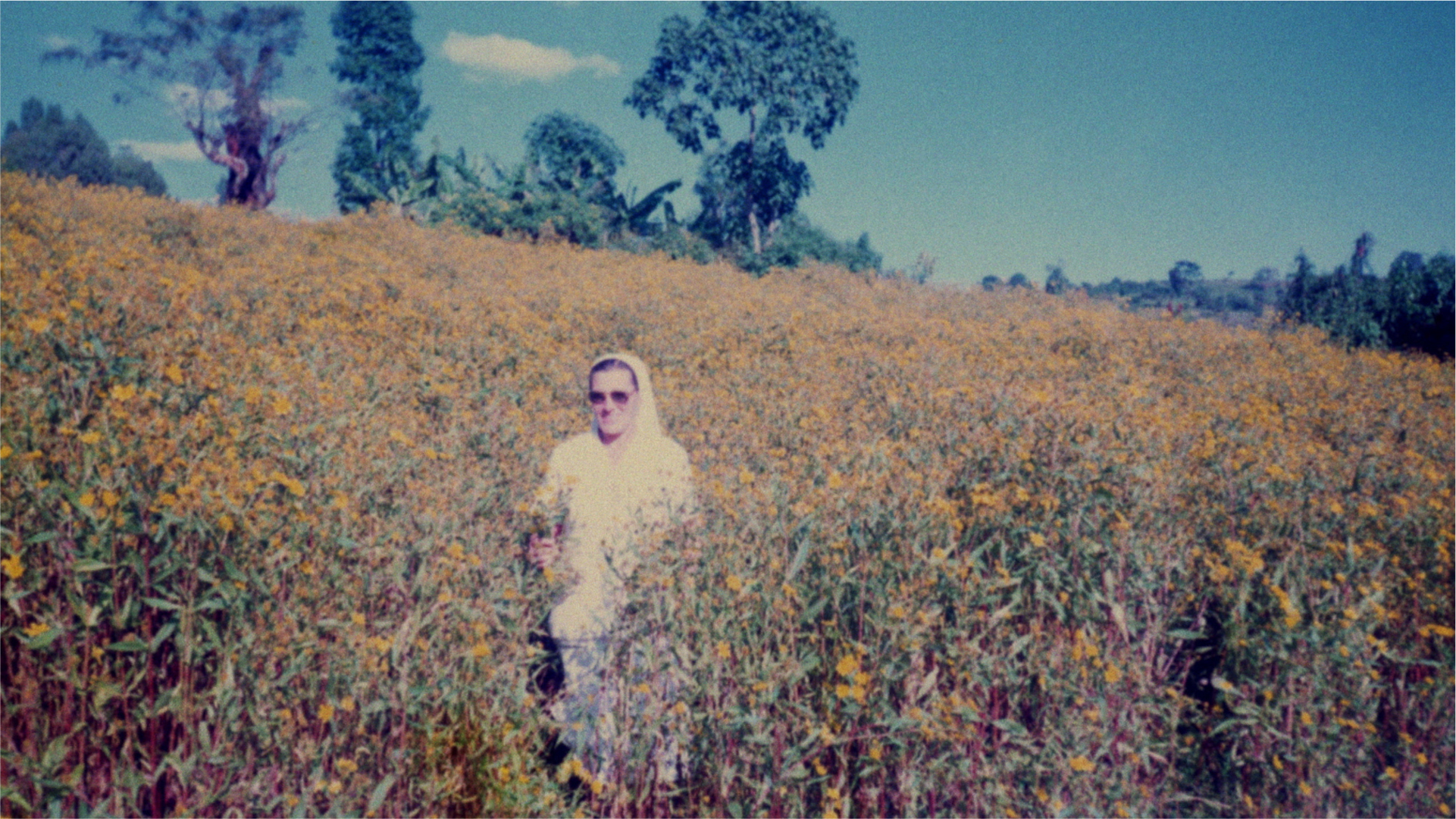
A delicate portrait of Vitória, a woman living in a family composed entirely of women. Their connection to God brought them together, but their bond goes far beyond faith. As Vitória reaches the last years of her life, her sisters accompany her through a quiet existence of stillness, labor, and community.
As I was growing up, I realized more and more that women’s choices carry a different weight, that somehow, ever since we are very little, we are made conscious of them, but also how much we must abdicate in order to choose a certain path in life. And it is a privileged as well to have this freedom of choosing, because many women around the world are not able to do so, but at the same it is complicated to realize that somehow society always has a say in what we decide to sacrifice.
I grew up dancing, using my body as a tool and feeling both freed and imprisoned by it, as I was not allowed to explore beyond its borders or run certain risks that would end my career. After that when I decided to stop and abdicate of this path, I decided I wanted to make films. And upon making this decision, I realized that maybe I did not want to pursue my expected biological destiny as a woman, since somehow, I don’t feel it would be fit for me. However, my mother made the opposite choice and decided to give up her career to become a mother. And somehow, she was always judged by her choice as I, despite my still young age, am judged by mine.
This thought got me thinking of how nuns make such a defining life decision usually from a young age and led a life that was sort of a mystery to me, but seen as solely a life of prayer and not much more. And how interesting would it be to extract their dedication to God out of the equation and simply look at them as a group of women that decided to abdicate of the right to create life, and instead focus on her own individual journeys while still dedicating their lives to others in different way and building a family outside of the traditional norms. Thus, I met this group of nuns, who took me in as a part of their family and helped me understand their way of living.
As I got to know sister Vitória, I realized that through abdicating of certain parts of live, she gained clarity of mind and was able to live a full life as she says. A life filled with stillness, peace, and hard work. And somehow, she now feels like she has had enough, even though her body keeps moving and fighting to live as her physical condition worsens. Her body is engraved by labor, which makes it very difficult for her to stop.
In the nest of her family, she enjoys the end of life in a way that I had never seen before. This is a film about sacrifice and connection between a group of powerful women who are able to bond over their life choices. And even though their lives and actions in the community are far from perfect, they manage to live fully in their own way.
This is what I admired in sister Victoria. And now that everything changed, she passed away and the group of sisters is becoming more and more fragmented, I’m happy that they will always exist here in this film, that comes from a space of nurture and compassion to another and where their laughter will echo forever.
Até que tenha fôlego
Documentary
Portugal/Hungary/Belgium
2023
Colour
14’
Sound: 5.1
Format: 16:9
Original Language: Portuguese
With: Ir. Vitória Simioni
and: Ir. Lúcia Tibola, Ir. Maria Anistalda de Babo Ferreira and Ir. Maria Ivani de Mores
Directing, cinematography, editing: Catarina Gonçalves
Additional Camera: Madina Bektemirova and María T. Montserrat Mancilla A.
Colour Correction: Ruslan Fedotow
Sound: Catarina Gonçalves and Madina Bektemirova
Sound design, mixing, and original soundtrack: Bernardo Bento
Design: João Gonçalves
Editing and Sound Post Production Consultants: Pedro Filipe Marques, David Novack and João Alves
Supervisors and mentors: Victor Candeias, Jolanta Wieczorek and Larissa Fiqueiredo
Guest mentors: Frederik Nicolai, Dóri Zurbó and Gábor Ferenczi